Last updated October 15, 2026
The Complete Guide to ADU in Thousand Oaks
Most Thousand Oaks ADU projects that run over budget don’t fail at construction. They fail at the kitchen table, before a single form is submitted, because the homeowner didn’t know what they were agreeing to. The permit reviewer doesn’t care that you wanted quartz counters. The structural engineer doesn’t know you hoped to move in by Thanksgiving. What they see is a set of plans and a decision sequence, and if that sequence is out of order, the project stalls in ways that cost real money. This guide walks every step in the order it actually happens in Thousand Oaks, from lot evaluation to final inspection, so you can plan like someone who has done this before. For related reading, see our How to Hire a ADU Contractor in Thousand Oaks: A Step-by-Step Guide. By the end, you’ll understand Ventura County’s ADU rules, what a written price should contain, how long each phase takes, and whether your ADU will actually pencil out in the Conejo Valley market.
Quick Answer
An ADU in Thousand Oaks is a self-contained secondary dwelling on your residential lot, typically 500 to 1,200 square feet, built as a detached unit, attached addition, garage conversion, or junior ADU. Total cost in Thousand Oaks currently runs roughly $180,000 to $400,000 for a site-built unit depending on size, site conditions, and finish level, with garage conversions at the lower end and detached new construction at the higher end. The permit process takes 4 to 9 months, construction takes 6 to 14 months, and the single most important decision you make is sequencing your design choices before the application is filed.
Table of Contents
- Thousand Oaks ADU Rules That Differ from State Law
- Choosing the Right ADU Type for Your Lot and Goal
- What a Written Price Should Include Before You Sign
- The Permit Process in Thousand Oaks, Step by Step
- The Realistic Construction Timeline, Phase by Phase
- Utility Connections: The Hidden Cost Most Bids Omit
- Will Your ADU Pencil Out? Rental, Family, and Resale Math
- Common Mistakes to Avoid
- When to Call a Professional
- Frequently Asked Questions
Thousand Oaks ADU Rules That Differ from State Law
California’s statewide ADU law sets the floor for what cities must allow. Thousand Oaks, like most Ventura County cities, builds on that floor with local ordinances that add specific requirements. If you read only the state handbook and not the local code, you’ll miss details that can change your design or your budget.
State law allows an 800-square-foot detached ADU with a 4-foot rear and side setback regardless of lot size. Thousand Oaks follows this, but the city also enforces front-yard setback rules that many homeowners don’t anticipate. If your lot slopes toward the street, or if your proposed ADU sits in the front half of the lot, the planning counter will look more closely at how the structure relates to the street face. In neighborhoods like Wildwood or Newbury Park where lots were platted on hillsides, grading can trigger additional review even when the ADU itself is within size limits.
Another quirk: Ventura County’s fire hazard severity zones affect some Thousand Oaks neighborhoods near open space. If your property sits in a Very High Fire Hazard Severity Zone, which includes portions of the hills above Lynn Road and areas near Wildwood Regional Park, your ADU plans will require fire-resistant materials and possibly modified roof and vent details. This adds cost, but it’s a known cost once the zone is confirmed. A written quote should flag it early, not after demolition starts.
Thousand Oaks also requires that attached ADUs match the primary home’s roofline and exterior materials in most residential zones. That’s a design compatibility rule, not just a size rule. If your main house is stucco with a tile roof, your attached ADU will generally need stucco and tile to clear design review. Detached units have more flexibility, but the city still expects a coherent relationship with the primary structure.
For a deeper look at how these rules apply to your specific property, our ADU Builders in Thousand Oaks page walks through the lot-level evaluation we perform before any design work begins.
Choosing the Right ADU Type for Your Lot and Goal
Before you think about floor plans, you need to decide which category of ADU fits your lot and your reason for building. The choice changes the price, the permit path, and the timeline. Here’s how we walk families through it.
Garage conversion: If you have an attached garage that’s at least 400 square feet and you don’t mind losing covered parking, this is almost always the cheapest path. The structure exists. The foundation exists. You’re paying for interior work, a bathroom, a small kitchen, and utility connections. In Thousand Oaks, a garage conversion typically runs $120,000 to $200,000 depending on the garage’s condition and how much you’re moving plumbing. The tradeoff: you lose garage storage, and the ADU’s ceiling height and layout are constrained by the existing footprint. We’ve converted garages in the Conejo Valley where the original slab wasn’t level, and that added $8,000 to $15,000 in slab repair before walls went up. That’s the kind of thing a written price should disclose bluntly. For the full breakdown on this path, see our Garage Conversion Contractor in Thousand Oaks page.
Attached ADU: This is an addition built onto the main house, usually 500 to 1,000 square feet with a separate entrance, small kitchen, and bathroom. It makes sense when you want an aging parent close but not sharing a kitchen, and when your side or rear yard can absorb the footprint. Thousand Oaks attached ADUs generally start around $220,000 and climb based on foundation, roofline matching, and interior finishes.
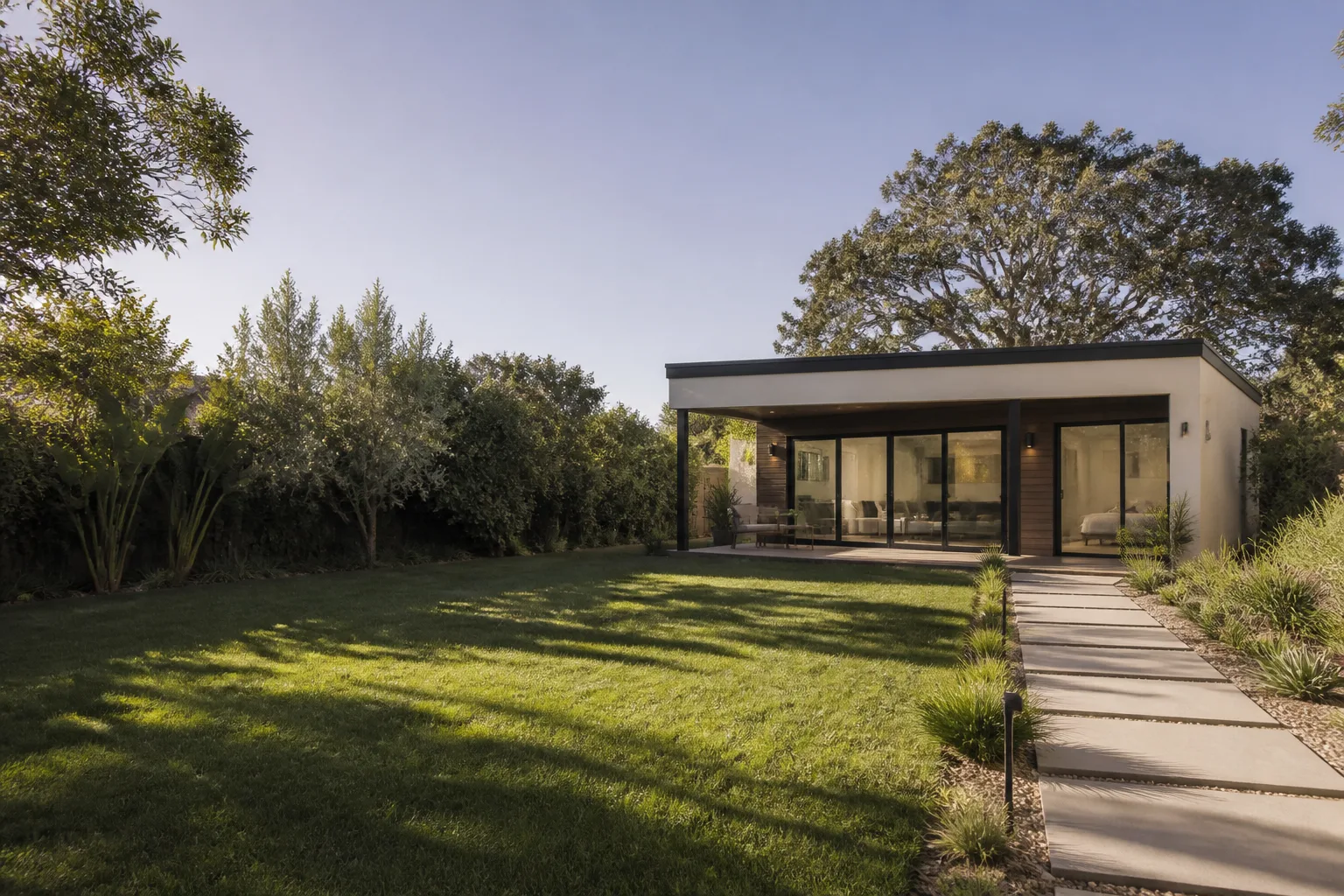
Detached ADU: The most flexible and the most expensive. A standalone unit gives you full privacy for a tenant, a separate address, and no shared walls. Detached ADUs in Thousand Oaks start around $260,000 for a modest one-bedroom and commonly reach $400,000 or more for a two-bedroom with quality finishes. Site work is the wildcard: tree removal, grading, retaining walls, and trenching for utilities can add $30,000 to $60,000 before framing begins.
Junior ADU (JADU): A JADU is a unit of up to 500 square feet created within the existing home, typically by converting a bedroom with an attached bath and adding a kitchenette. It’s the least expensive option, sometimes $60,000 to $100,000, and it’s ideal for a college student, a nanny, or a parent who needs proximity but not full independence. Thousand Oaks allows JADUs by right, but the owner must live on the property.
Prefab and modular: We work with brands like Abodu, Cover, and Dvele because the permitting and site-prep sequence for factory-built units is different from site-built. A prefab ADU can shorten on-site construction time dramatically, but the foundation, utility trenching, and crane placement have to be coordinated before the module arrives. In Thousand Oaks neighborhoods with narrow streets, crane access is a real constraint. In our experience, prefab makes the most sense when you want a predictable finish and a faster build, and when your site has clear access for delivery. James Hardie siding is a common exterior choice on these units for durability in the Conejo Valley’s dry, sunny climate.
What a Written Price Should Include Before You Sign
Most bids quietly omit things. Here’s what a complete written price for an ADU in Thousand Oaks should list line by line before you sign anything.
- Site work: demolition, grading, tree removal, retaining walls, and any import or export of soil. Hillside lots in Thousand Oaks almost always need some of this. If the bid says “site work TBD,” you don’t have a price.
- Foundation: slab or raised, including any structural reinforcement required by soil conditions. Most of Thousand Oaks sits on stable ground, but parts of Newbury Park and the hills require additional footing depth.
- Framing and structural: lumber or steel package, shear wall, roof structure. This should be a fixed number, not an estimate.
- Plumbing: the ADU’s bathroom, kitchen, water heater, and the connection from the street or existing main. This line should cover trenching from the house to the ADU. Many bids bury this in “allowances.”
- Electrical: the subpanel, wiring, fixtures, and connection to the existing panel. If your panel is 100 amps, the bid must include the cost to upgrade to 200 amps. That alone runs $3,500 to $6,000.
- HVAC: mini-split systems are standard in ADUs. The bid should name the brand and capacity, not just say “heating and cooling.”
- Windows, doors, roofing: named products or at least specific quality tiers. Vague language means you’ll pay the difference later.
- Insulation and drywall: including sound insulation if the ADU shares a wall with the primary home. Ask for this explicitly.
- Interior finishes: flooring, cabinets, countertops, tile, paint. A written price should show allowances for each category, so you know what you’re actually getting.
- Permits and plan check: Ventura County and Thousand Oaks fees, plus any school district fees for new square footage. These typically total $8,000 to $15,000 on an ADU.
- Utility connection fees: sewer lateral, water meter if a new one is needed, gas line if applicable, and any Southern California Edison or SoCalGas work. This is where bids get vague and costs spike.
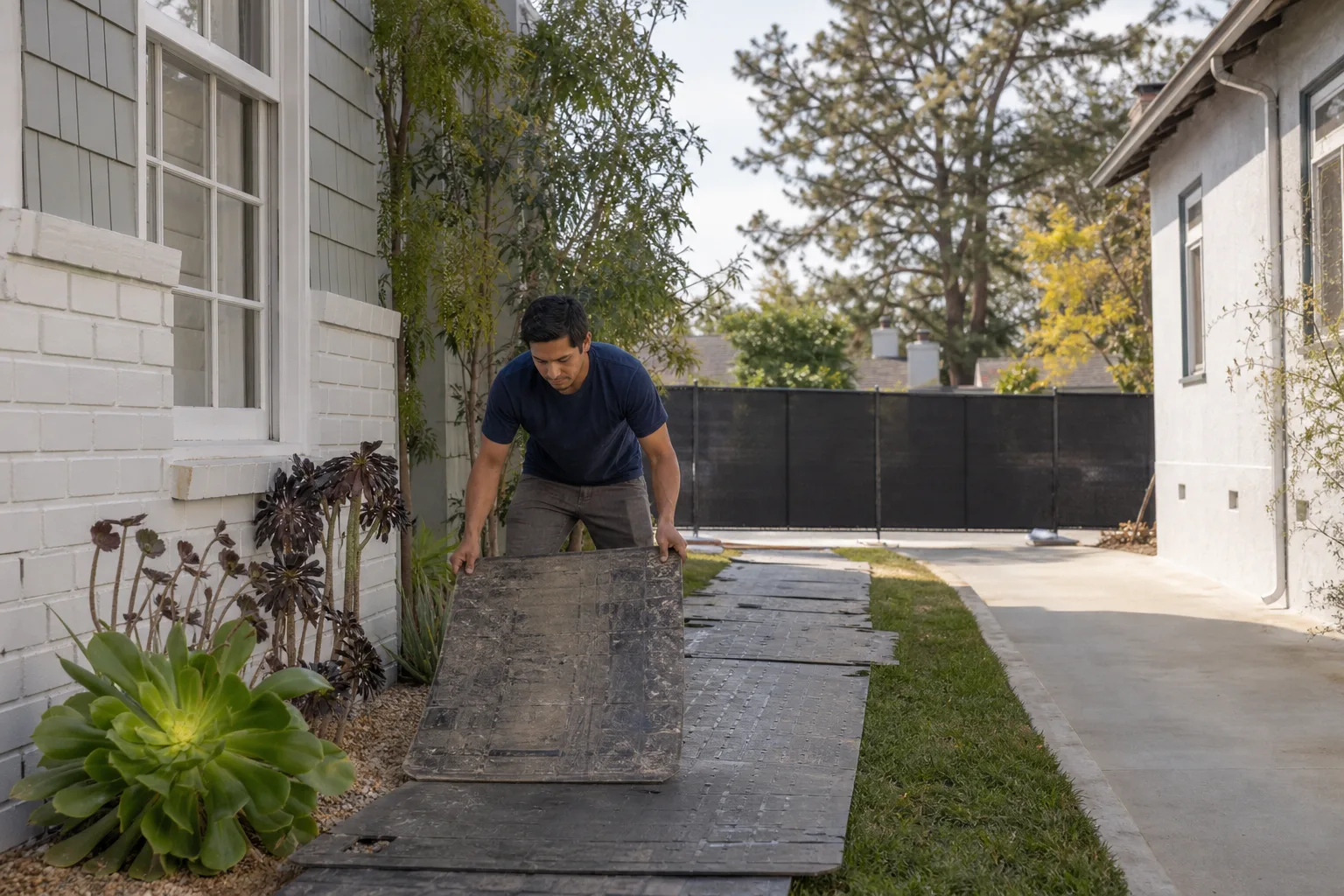
- Cleanup and daily site protection: what will be done to protect your floors, landscaping, and driveway during the build. At Seedling, the answer is specific: shoe covers and drop cloths inside, a photo of the clean-up before the crew leaves each day, and pet-safe products wherever there’s a choice. That’s our Cedarwell Care Promise, and it’s in writing on every job.
A written price is a promise. If a contractor won’t put all of this on paper before you sign, the overage risk is not theoretical. We put a written price in front of every family before any work starts, and there’s no line item added after crews arrive unless you change the scope yourself.
The Permit Process in Thousand Oaks, Step by Step
The permit sequence is where projects live or die. Here’s the order in Thousand Oaks.
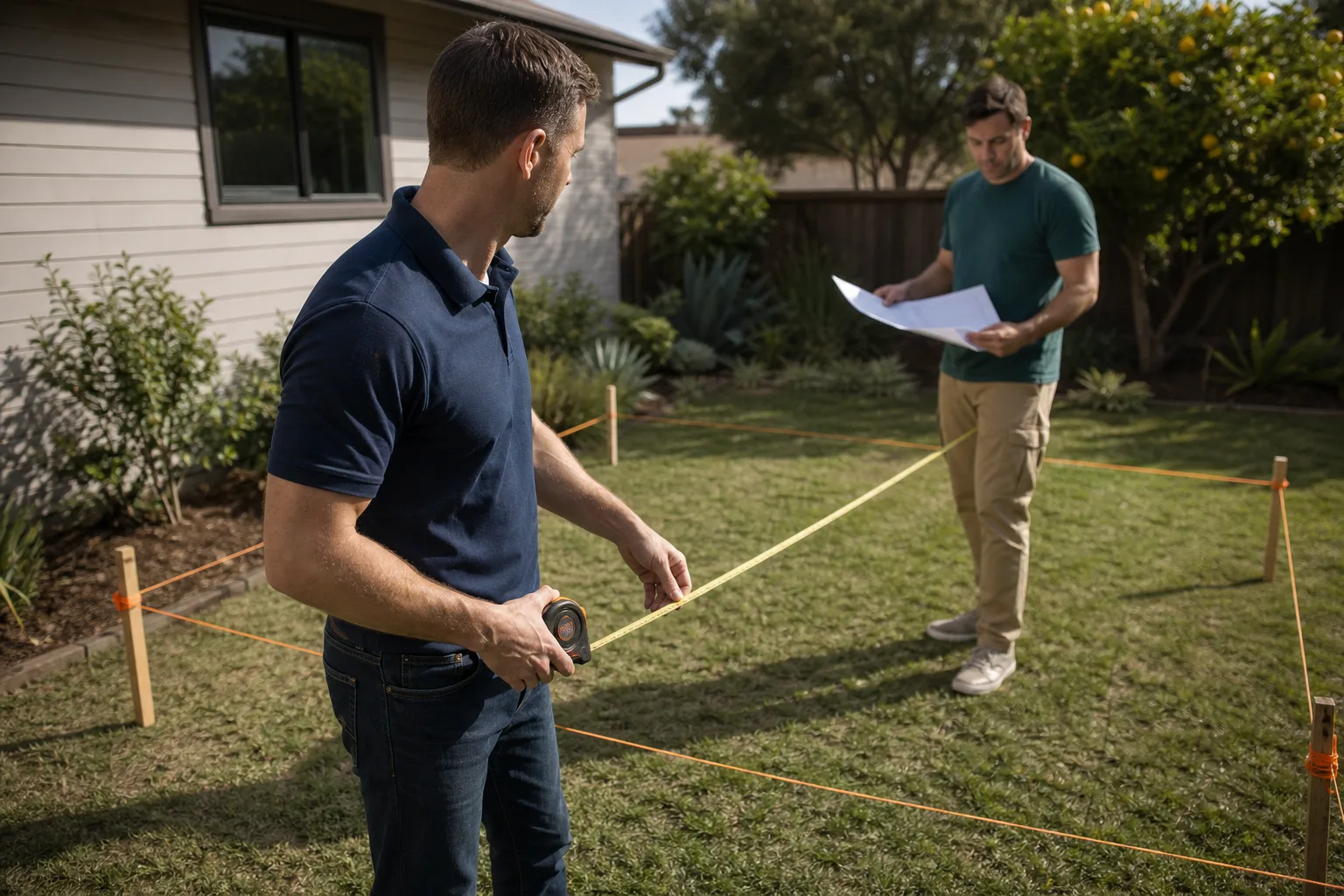
- Pre-application lot check (2-4 weeks): Confirm zoning, fire hazard zone, flood zone, and any HOA restrictions. The City of Thousand Oaks planning counter can help, or we do it as part of our initial evaluation. Don’t skip this. We’ve met homeowners who designed a detached ADU, only to learn their HOA prohibited detached units. The HOA can’t block an ADU entirely under state law, but it can restrict placement and design in ways that force a redesign.
- Site survey and soil report (3-6 weeks): A licensed surveyor maps the lot, and a geotechnical engineer tests the soil. On flat lots this is straightforward. On Thousand Oaks hillsides, it takes longer and can change the foundation design.
- Design and engineering (6-12 weeks): Your designer or architect produces plans, the engineer stamps them, and a Title 24 energy consultant runs the compliance calculations. California’s energy code changes every three years, and the current cycle requires insulation, glazing, and HVAC choices that meet strict thresholds. This is also when you choose your prefab manufacturer if you’re going that route.
- Plan submittal and plan check (8-16 weeks): The City of Thousand Oaks reviews the plans for zoning and building code compliance. Ventura County may also review for fire and environmental concerns. The review time depends on staff workload and how clean your submittal is. Resubmissions add weeks each time. A well-prepared submittal from an experienced builder clears faster because the reviewer doesn’t have to ask the same questions twice.
- Permit issuance (1-2 weeks after approval): Pay the fees, pull the permit, and you’re cleared to start. At this point, your design decisions should be locked. Changing anything after permit issuance means a revision, and revisions mean money and time.
Total permit timeline in Thousand Oaks: 4 to 9 months. Some projects clear faster. Some take a year. The fastest path is a complete, accurate submittal the first time, which is what we aim for on every job we take.
The Realistic Construction Timeline, Phase by Phase
Once the permit is issued, construction begins. Here’s what to expect and how long each phase typically takes for a Thousand Oaks ADU.
Site prep and grading (1-3 weeks): Clearing, demolition if converting a garage, compaction, and drainage. On flat lots, this is quick. On sloping lots, it’s not. Expect grading equipment, dust, and noise during this phase. A good crew protects landscaping that stays and flags utilities before digging.
Foundation (2-4 weeks): Trenching, rebar, concrete pour, and curing. Concrete needs time to cure before framing loads go on it. Rushing this phase causes cracks and callbacks. Our crews don’t rush it.
Framing and roofing (3-6 weeks): Walls go up, roof structure follows, and the building gets dried in. This is the most visually dramatic phase. If the ADU is attached, this is when the existing home’s wall is opened and the connection is weatherproofed. Noise and vibration are part of this phase. We coordinate with families to keep loud work away from nap times and school hours when possible.
Mechanical, electrical, plumbing rough-in (2-4 weeks): Pipes, wires, ducts, and the mini-split lines go in. Inspections happen at the end of this phase. The inspector verifies everything before it gets covered by insulation and drywall.
Insulation, drywall, and finishes (4-8 weeks): This is where the ADU starts looking like a home. Drywall, texture, paint, tile, flooring, cabinets, countertops. The interior takes shape. Dust control matters here, which is why drop cloths and daily clean-up are non-negotiable on our jobs.
Final inspections and closeout (1-3 weeks): The city inspects the finished work. Utilities are verified. The certificate of occupancy is issued. You walk the unit, and anything not done right gets fixed. Our 365-Day Done Right Promise means exactly that: if it’s not done right, we make it right, in writing, on every ADU we build.
Total construction time in Thousand Oaks: 6 to 14 months. Prefab units from Abodu, Cover, or Dvele can compress the on-site portion, but site prep, foundation, and utility work still take the same time. The schedule is a sequence, not a sprint.
Utility Connections: The Hidden Cost Most Bids Omit
Utility connections are the single biggest source of surprise costs in Thousand Oaks ADU projects. Here’s what’s actually involved and what it costs.
Sewer: Your ADU needs a sewer lateral connection. If the main line is in the street and the ADU sits behind the house, the trench runs the length of the property. That trench is expensive: $50 to $150 per linear foot in Thousand Oaks, plus restoration of anything above it. If the existing sewer line is old or damaged, you may need to replace the whole lateral, not just add a branch. That’s $8,000 to $20,000 depending on length and depth. A bid that doesn’t show a sewer line item is not a real bid.
Water: Some Thousand Oaks lots can tie the ADU into the existing water service. Others need a new meter, which involves the city and adds $4,000 to $9,000. The water main’s location relative to the ADU determines the trench length. In hillside neighborhoods, deeper mains mean deeper trenches and higher costs.
Electrical: The ADU needs a subpanel fed from the main panel or a new service. If your existing panel is 100 amps, which is common in 1970s Thousand Oaks homes, you’ll likely need a 200-amp upgrade. That’s $3,500 to $6,000, and it may require Southern California Edison to approve the service change, which adds scheduling time.
Gas: Many ADUs skip gas entirely and use electric mini-splits and induction cooktops. That’s simpler and cheaper. If you want gas for a range or water heater, the line run and SoCalGas connection add $2,000 to $5,000. In fire hazard zones, gas lines may trigger additional review.
These are not optional upgrades. They’re required to make the ADU habitable and to pass inspection. A written price that doesn’t include them is a price that will grow. Ask to see the utility line items before you sign anything, and if a builder can’t show them, call someone who can.
Will Your ADU Pencil Out? Rental, Family, and Resale Math
Before you spend $250,000, run the numbers. Here’s how ADUs pencil out in the current Conejo Valley market.
Rental income: A one-bedroom ADU in Thousand Oaks rents for roughly $2,200 to $2,800 per month depending on location, condition, and whether it has a separate entrance and yard access. A two-bedroom rents for $3,000 to $3,800. If you build a $250,000 ADU and rent it for $2,500 a month, that’s $30,000 a year gross, or about 12% gross yield before expenses, taxes, and vacancy. That’s a strong return by Southern California standards, but it assumes your total cost stays at the written price. Cost overruns change the math.
Multigenerational housing: If you’re building for an aging parent, the math is different. The alternative is assisted living, which in Ventura County runs $5,000 to $8,000 a month. An ADU that costs $250,000 and lets your parent live independently for five or more years pays for itself faster than almost any rental scenario. The value isn’t just financial. It’s proximity, autonomy, and not being surprised by a facility’s fee schedule.
Resale value: Appraisers in Thousand Oaks are increasingly giving ADUs real value, typically $150 to $300 per square foot of the ADU’s finished area, depending on quality. A well-built 800-square-foot ADU can add $120,000 to $240,000 to your home’s appraised value. You won’t fully recoup construction cost in every case, but you’ll recoup a significant share, and the market increasingly treats a permitted ADU as a selling feature, not a footnote.
The honest math: The best ADU outcomes in Thousand Oaks happen when the unit serves a purpose you already have, whether that’s rental income, a parent, or a returning adult child. The worst outcomes happen when someone builds speculatively without understanding the utility costs, the permit timeline, or the carrying costs during construction. Know why you’re building. Then price it thoroughly. Then build it.
Common Mistakes to Avoid
- Signing a contract before the written price includes utilities. If sewer, water, and electrical connections aren’t line items, you’re financing the contractor’s estimate, not your ADU.
- Changing the design after permit issuance. Every revision restarts plan check, adds weeks, and adds fees. Decide before you file.
- Ignoring fire hazard zone requirements in Thousand Oaks hillside areas. If your lot is in a high-severity zone, fire-resistant materials and specific roof details are not optional. Build them into the first plan.
- Not checking HOA restrictions before designing a detached ADU. HOAs can’t ban ADUs outright, but they can restrict placement, height, and exterior materials enough to force a redesign.
- Choosing the cheapest bid and treating it as the final price. A bid that omits site work, panel upgrades, or trenching will balloon. Compare line items, not bottom lines.
- Expecting a garage conversion to cost the same as new construction per square foot. The conversion is cheaper because the structure exists, but the plumbing and slab condition are wildcards. Budget for the slab, not just the walls.
- Not planning for daily life during construction. A crew that doesn’t protect floors, manage dust, or communicate schedules turns a six-month build into a six-month headache. Ask how the crew will behave inside your home before you hire them.
When to Call a Professional
If your lot is sloped, sits in a fire hazard zone, has a sewer line of unknown age, or you just don’t want to manage a 12-month sequence of surveys, engineers, inspectors, and subcontractors, call a builder who handles the whole thing. You should also call before you buy plans from an online service: a Thousand Oaks-specific lot evaluation will tell you what’s buildable and what it costs before you pay for drawings that won’t clear plan check. Seedling ADU Thousand Oaks offers free estimates in Thousand Oaks. Call (805) 309-3462 and Ben Ortega will walk you through the sequence for your specific lot. If you’re still comparing options, our Home Addition Contractor in Thousand Oaks page explains how a full addition differs from an ADU in scope and cost. And our Seedling ADU Thousand Oaks home page has the full picture of what we build and how we protect your home during the build.
Frequently Asked Questions
An ADU in Thousand Oaks typically costs $180,000 to $400,000 total, including permits, site work, utilities, and construction, with garage conversions at the lower end and detached new builds at the higher end. The final number depends on your lot’s slope, the condition of your existing utilities, the finish level you choose, and whether you build site-built or prefab. Call (805) 309-3462 for an exact written quote on your property. Estimates are free.
From first evaluation to certificate of occupancy, a Thousand Oaks ADU typically takes 12 to 24 months total, with 4 to 9 months for permits and 6 to 14 months for construction. Prefab units from Abodu, Cover, or Dvele can shorten the on-site build phase but don’t change the permit or utility timeline. Getting a complete submittal right the first time is the single biggest schedule lever you control.
Yes. Any garage conversion that adds living space requires a building permit from the City of Thousand Oaks, and the work must meet current building, plumbing, electrical, and energy codes. Converting without a permit creates problems at resale and can make the space uninsurable. A permitted conversion with proper utility connections is the only path that adds real value.
Yes, but only on the added value, not the entire property’s value. Ventura County assesses the ADU’s added construction value and applies your existing tax rate to it, which typically means a few thousand dollars per year in additional property tax. The exact amount depends on the ADU’s cost and your current assessment. Your accountant can model it precisely, but it’s a known line item, not a surprise.
Yes. Thousand Oaks allows ADUs to be rented to long-term tenants, and the rental income is one of the most common reasons homeowners build. Short-term rentals under 30 days are prohibited in most Thousand Oaks neighborhoods, so the rental math should assume a long-term lease. Call (805) 309-3462 if you want help modeling what your specific unit would rent for.
We handle the sequence from lot evaluation through design coordination, permitting, construction, and final inspection, with a written price before any work starts and a 365-Day Done Right Promise on every completed job. Our crews follow the Cedarwell Care Promise: shoe covers and drop cloths inside, pet-safe products where there’s a choice, a clean-up photo before the crew leaves each day, and a live person on the phone 24/7 throughout the build. For more guides & resources on home additions and ADUs, visit our blog.
The Bottom Line
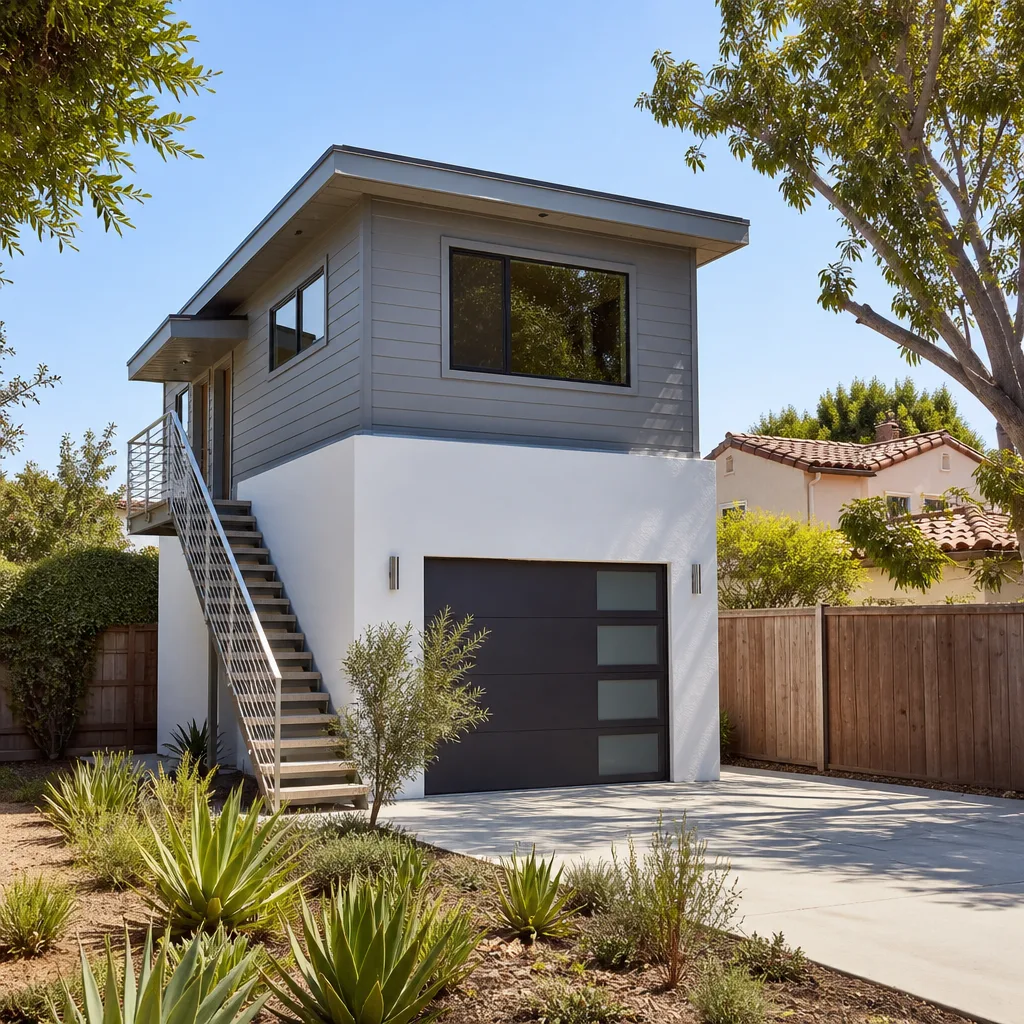
An ADU in Thousand Oaks is a new home on your lot, and like any home, it succeeds or fails on decisions made before the first wall goes up. Know your ADU type, understand the local rules that differ from state law, get a written price with utility line items in it, and respect the permit and construction sequence. The homeowners who get the best outcomes are the ones who treat the process as a sequence, not a sprint. If you want a written price, a clean home during the build, and a company that answers the phone, call Seedling ADU Thousand Oaks at (805) 309-3462. We’ll walk your lot, show you the numbers, and help you decide if an ADU is right for your family.
Written by Ben Ortega, Owner at Seedling ADU Thousand Oaks, serving Thousand Oaks since 2001.