James Hardie New Detached ADU: The Thousand Oaks Owner’s Guide
We stock and install James Hardie-compatible siding, trim, and weather-barrier components for new detached ADUs across Thousand Oaks, with most replacement jobs running between $1,800 and $6,400 installed depending on the board profile, linear footage, and whether we’re matching existing HardiePlank lap siding or HardiePanel vertical sheets. Most owners discover a problem the same way: a corner piece of trim has pulled away after two or three wet winters, or a bottom course of lap siding is swelling where sprinkler overspray has been hitting it for a year. The fix is usually straightforward once we confirm which generation of Hardie product is on the home.
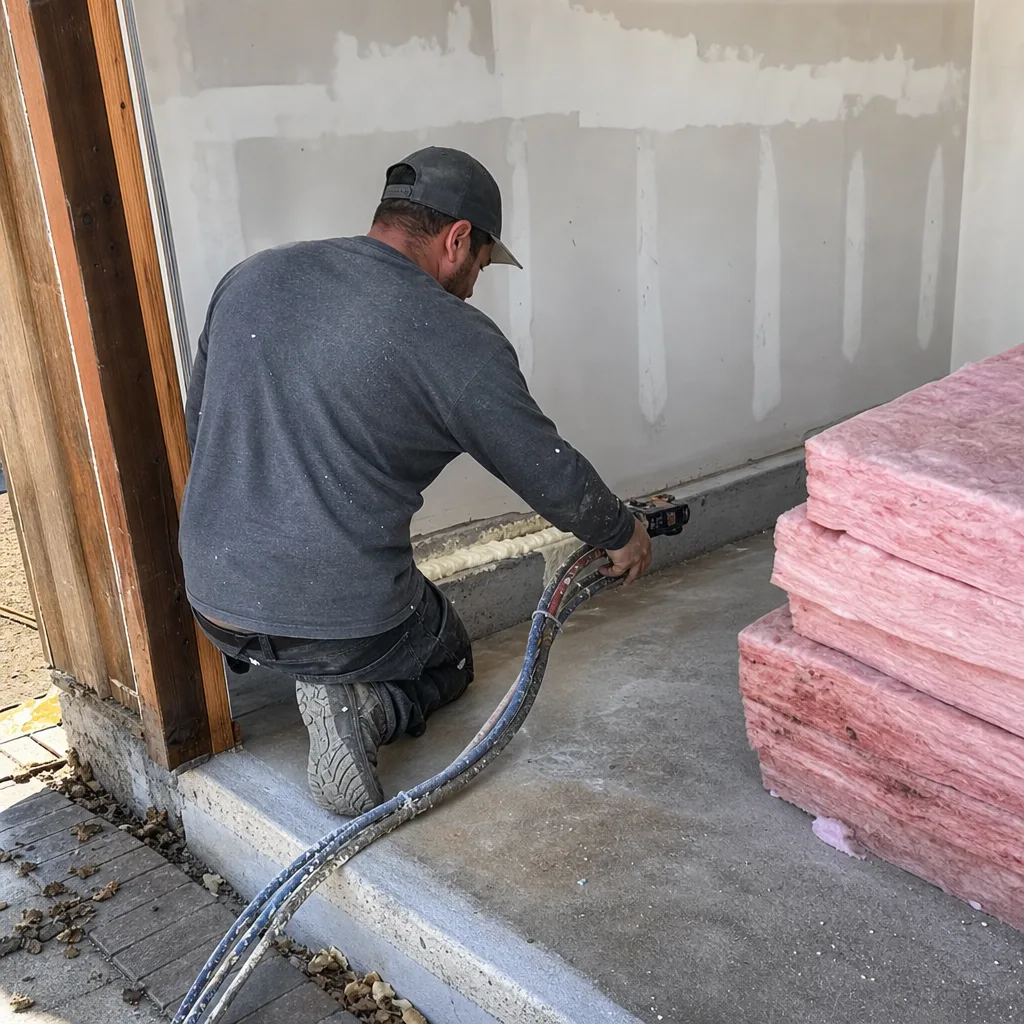
If you’re seeing cracked boards, gaps at the corners, or paint that won’t stay put on your ADU’s exterior, call (805) 309-3462 and we’ll walk the lot with you before quoting a number.
Which James Hardie Models This Applies To
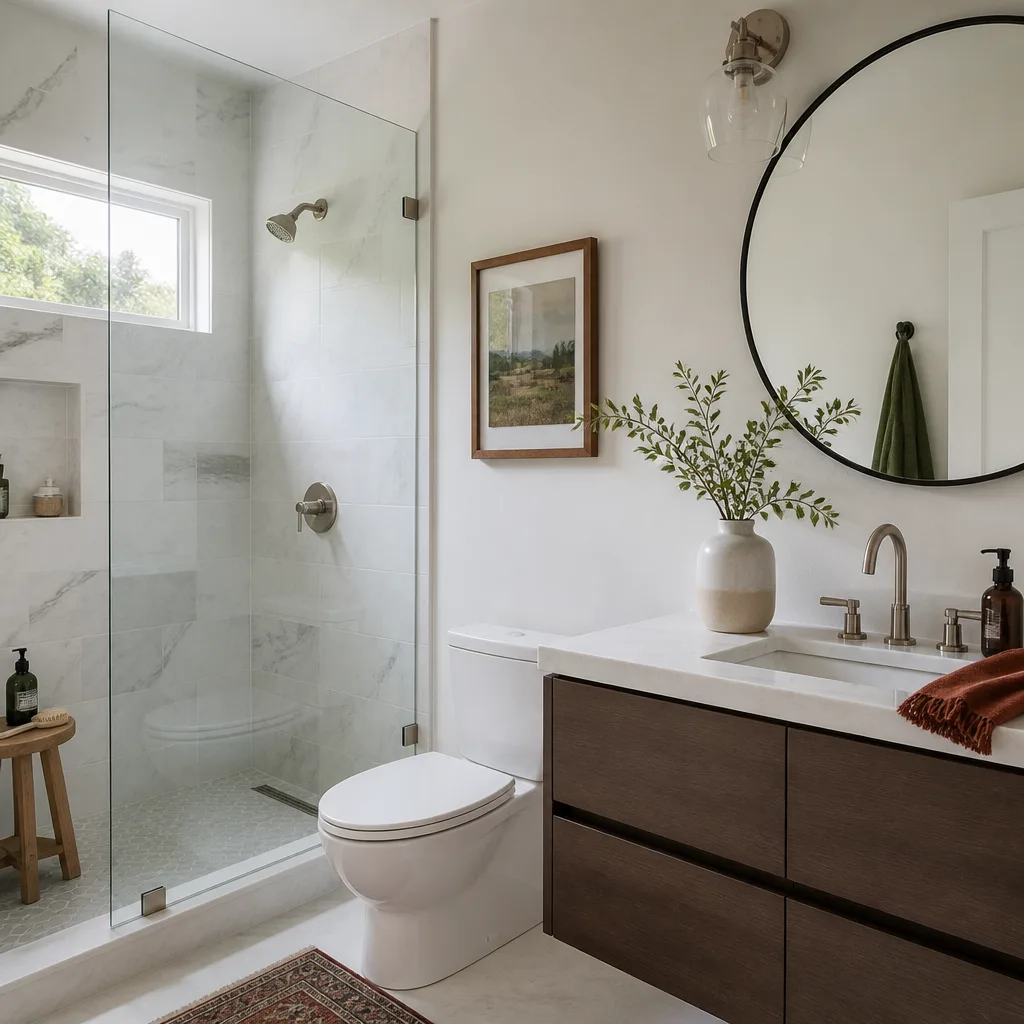
James Hardie makes several product lines, and they are not interchangeable. The most common on Thousand Oaks ADUs are HardiePlank HZ5 lap siding (5/16″ thick, 6¼”, 7¼”, and 8¼” exposures), HardiePanel HZ5 vertical siding (5/16″ thick, 4’x8′, 4’x9′, and 4’x10′ sheets), and HardieTrim HZ5 boards in ¾” and 1″ thicknesses. The “HZ5” matters: it’s the version engineered for Zone 5 climates and carries a higher wind and moisture rating than the older HZ10 stock that some distributors still have sitting in their yards. If a contractor installs HZ10 on your Thousand Oaks ADU, it meets code but it will not hold paint the same way in our dry-summer, wet-winter cycle.
To identify what you have, pull a cut edge or check an exposed end: HZ5 boards have a denser core and a smoother primed face than early-2000s stock. The original product label is usually gone, so we measure board thickness and profile rather than guessing. For aftermarket replacement trim, we use only wood-grained or smooth boards cut to Hardie’s published reveal dimensions. A generic fiber-cement board that happens to be the same width is not the same product, especially at corners where expansion gaps and flashing details determine whether the wall stays dry.
Seedling ADU Thousand Oaks is an independent installer and service provider. We’re not affiliated with James Hardie, but we build with and repair their materials every week. When someone asks which brand we trust for a new detached ADU shell, Hardie is on the list alongside Abodu, Cover, and Dvele for prefab structures.
Signs Your James Hardie New Detached ADU Is Failing
- Bottom board courses are swelling or bubbling. This is almost always ground contact or irrigation overspray. Hardie requires a 6″ clearance from finished grade, and sprinklers in Thousand Oaks get repositioned constantly after landscaping crews leave. Once the bottom edge wicks water, the board delaminates and paint won’t hold.
- Corner trim has opened up or pulled away from the sheathing. HardieTrim moves more than wood trim during temperature swings. If the original installer used the wrong fastener or skipped the flashing behind the trim, the gap widens over two or three summers and water gets behind the face.
- Paint is failing in stripes or patches within four years. Hardie’s primed boards need a topcoat rated for fiber cement. Some painters use standard exterior latex on bare spots and it fails early. We see this frequently on ADUs where the original build was rushed through a hot week and the caulk joints at butt seams were never back-sealed.
- You see hairline cracks running diagonally from fastener heads. Fiber cement is stiff. If the installer drove nails too deep or used a lower grade of fastener, the board cracks around the penetration over time. This is not a board defect; it’s an installation issue that repeats across the wall.
- Interior drywall smells musty near the baseboards of the ADU’s exterior walls. Water that gets behind failed siding or flashing rarely shows itself right away. By the time a homeowner notices the smell, the wall assembly has been holding moisture for months. That’s the moment to call before the repair bill grows into insulation and framing work.
Replacement Cost & What’s Included
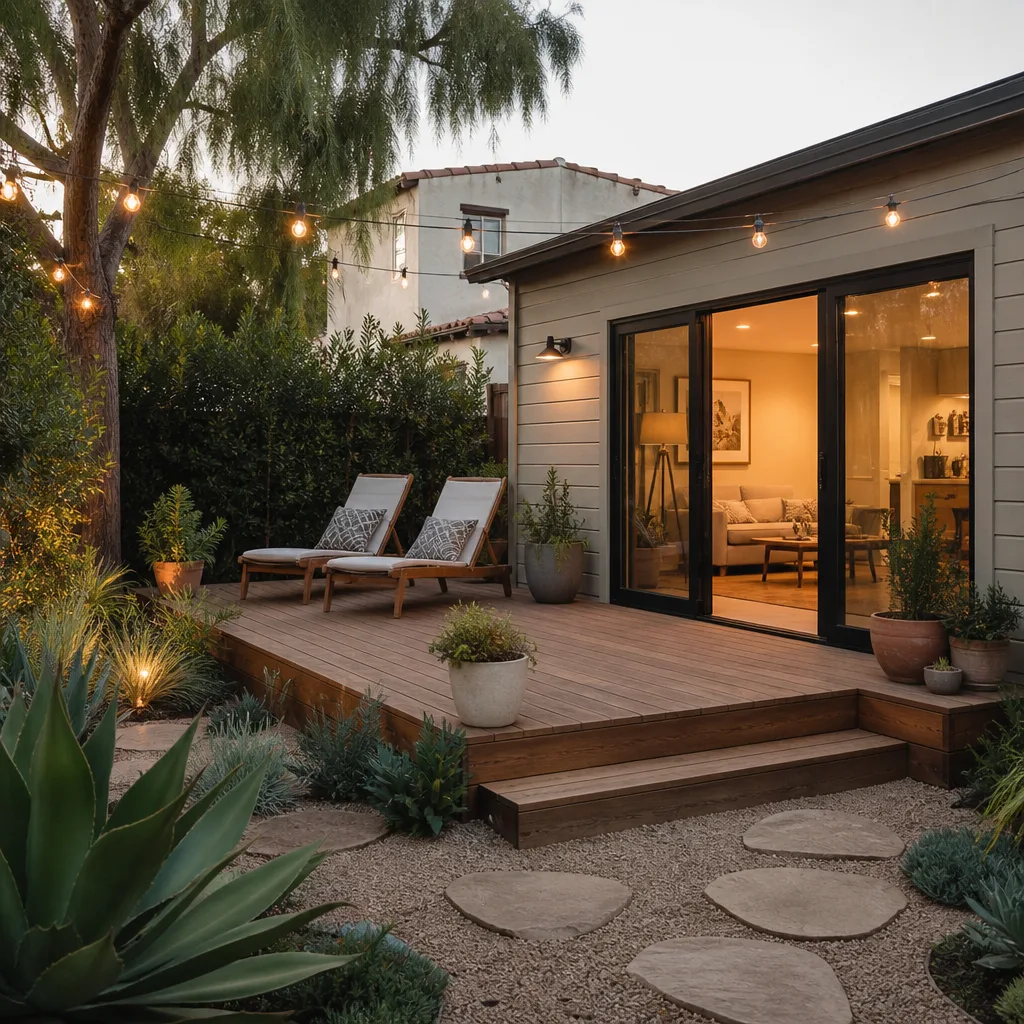
For a typical detached ADU in Thousand Oaks with 400 to 800 square feet of exterior wall, expect to pay:
- Lap siding section replacement (under 100 sq ft): $1,800 – $3,200 installed
- Full single-wall re-side with HardiePlank HZ5: $3,800 – $6,400 installed
- Corner trim replacement with proper flashing: $650 – $1,400 installed
- Bottom-course repair with painting and sealant work: $900 – $2,200 installed
What drives the range is access, ladder height, whether the existing weather barrier is salvageable, and how much of the old caulk and paint we’re cutting out. We write the price before we start, line by line, and we don’t add surprise line items after the crew arrives. The 365-Day Done Right Promise covers every Hardie replacement we do: if a joint opens up, a board cracks, or the paint fails on our work within a year, we fix it.
Call (805) 309-3462 and we’ll walk the ADU exterior with you. You’ll get a written price that holds.
DIY or Call Us?
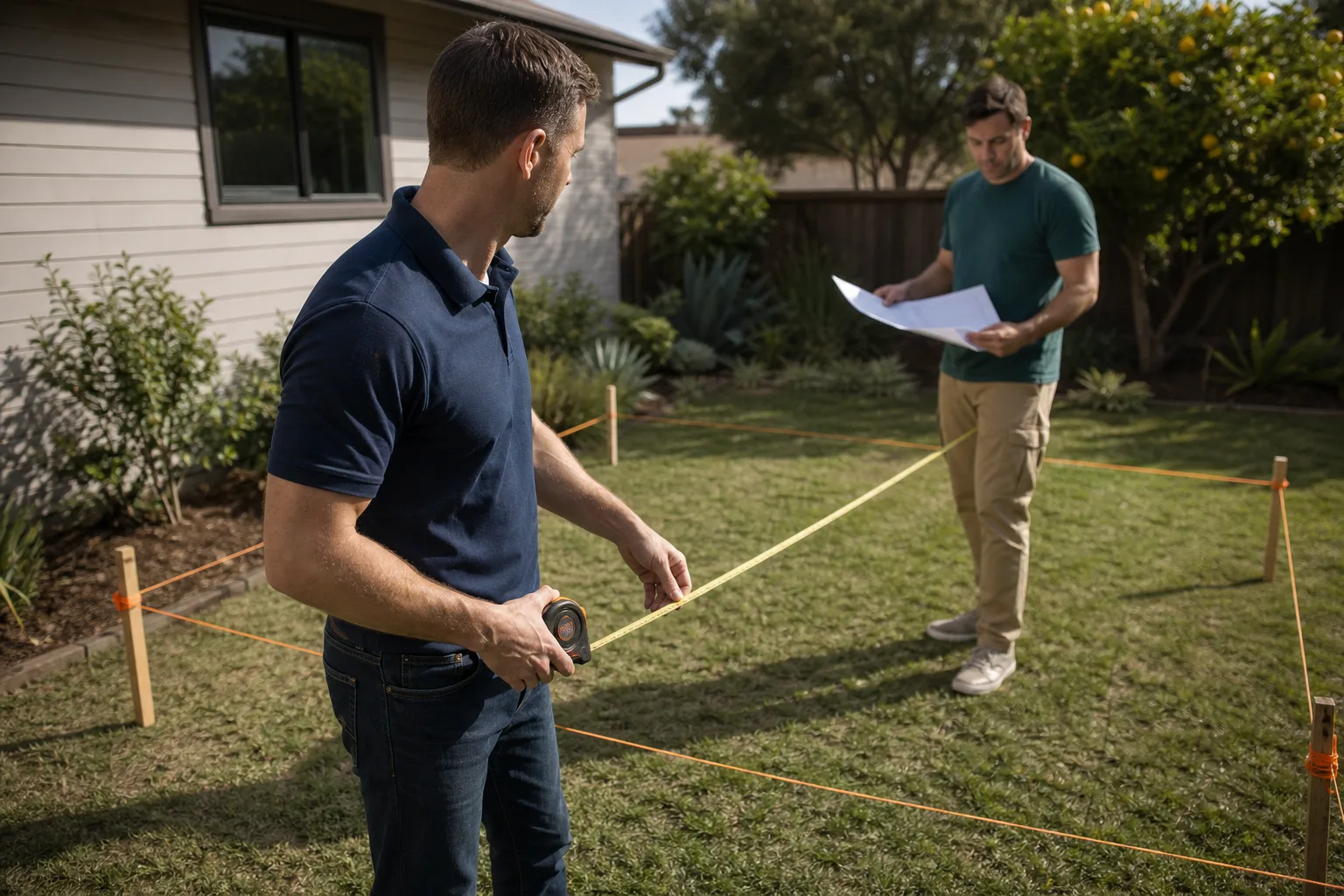
There are a few things you can check safely without touching a fastener: look at the bottom boards for sprinkler spray, feel for soft spots around window trim, and check whether the caulk at butt joints has hardened and cracked. Those observations help us quote accurately over the phone.
But replacing fiber cement siding is not a weekend job for most homeowners. Hardie boards are heavy, they produce silica dust when cut, and a bad cut at a corner or window will leak within a season. We’ve fixed enough DIY corner work in Thousand Oaks to know the pattern: the boards look fine from the street, and the rot behind them shows up two years later. If the wall is already open or the sheathing feels soft, stop and call us. Touching high ladder work around a two-story ADU is the surest way to turn a $2,000 repair into a hospital visit or a bigger structural job.
You can reach Ben Ortega and the Seedling crew at (805) 309-3462 any building day. We’ll tell you over the phone whether it’s worth a service visit.
FAQs
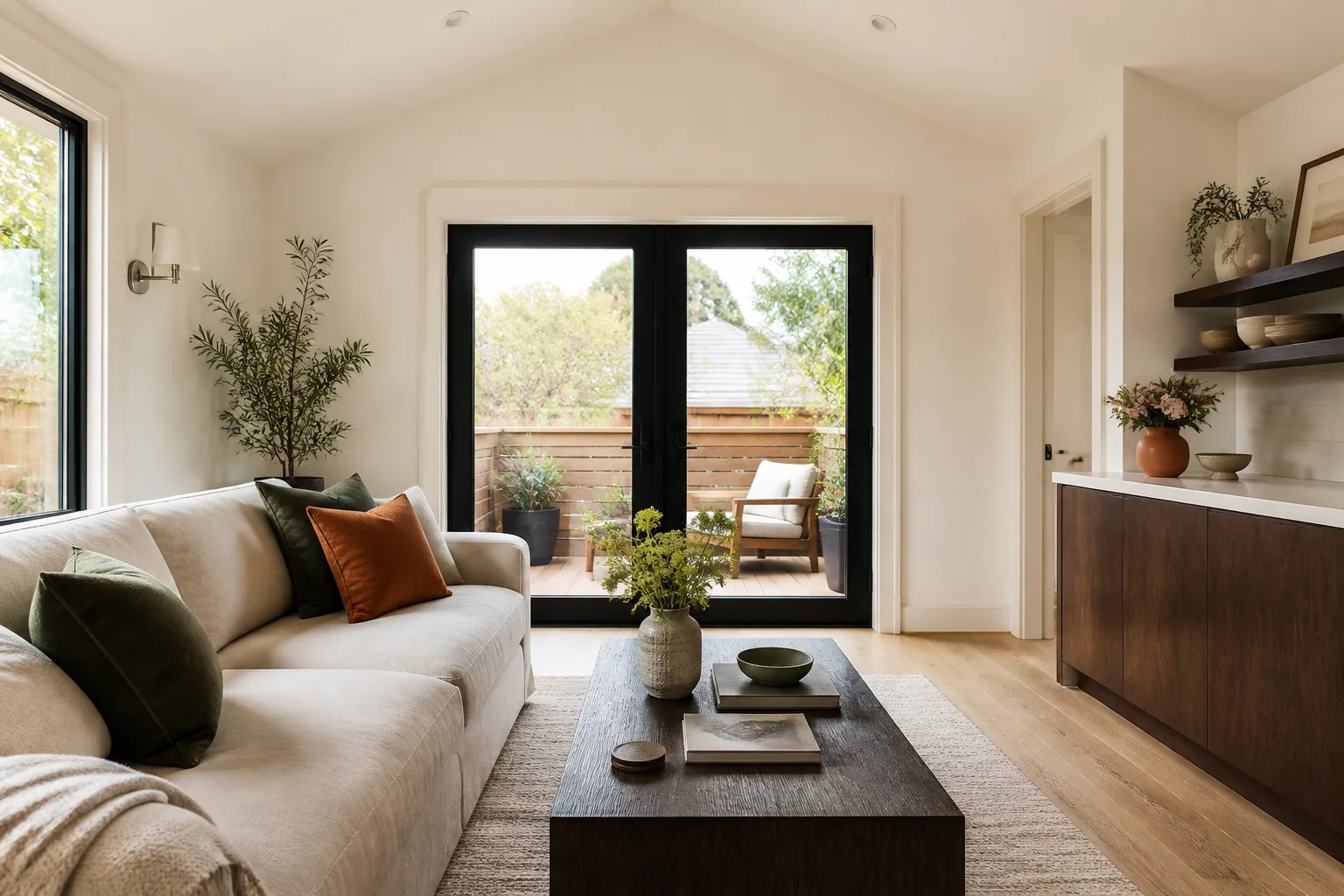
HZ5 boards carry a 30-year limited product warranty from James Hardie, but in our Thousand Oaks climate the real lifespan depends on installation details: a properly flashed, back-sealed job with a good topcoat will hold for 20 to 35 years, while a rushed install with poor flashing can show problems in five. Call (805) 309-3462 and we’ll tell you which end of that range your ADU is on.
Hairline cracks under 2 inches and away from fastener heads can sometimes be sealed with a fiber-cement rated exterior caulk and repainted, but anything longer, wider, or near a fastening point needs board replacement to stay watertight. We’ll make that call when we see it.
Most single-wall repairs on a Thousand Oaks ADU take one day for the siding work plus one return visit for paint, depending on weather and drying time. We’ll lay out the schedule in the written quote so you know what days crews will be on site.
We carry HardiePlank HZ5 lap boards in all three standard exposures, HardiePanel sheets in 4’x8′ and 4’x9′, and trim boards in both profiles on our service vehicles, so most Thousand Oaks repair jobs don’t wait on a supplier order. If the wall needs something less common, we’ll source it and show you the supplier price in the written bid.
Call (805) 309-3462 to schedule a free estimate for your James Hardie ADU repair in Thousand Oaks. We’ll measure, explain what we found, and hand you a written price before any work begins.
Written by Ben Ortega, Owner, Seedling ADU Thousand Oaks at Seedling ADU Thousand Oaks, serving Thousand Oaks and nearby areas.