Abodu Site Prep & Utilities: The Thousand Oaks Owner’s Guide
Site prep and utility work for an Abodu ADU in Thousand Oaks typically runs $12,000 – $28,000 installed, depending on trenching distance, panel capacity, and whether we’re connecting to city sewer or a new septic line. We stock most Abodu-compatible utility components on our trucks and can usually begin excavation within two weeks of your written estimate. Most owners discover a site prep problem the same way: trenching starts, and the existing gas line or sewer lateral turns out to be 40 years old, corroded, or nowhere near where the original plot map says it is.
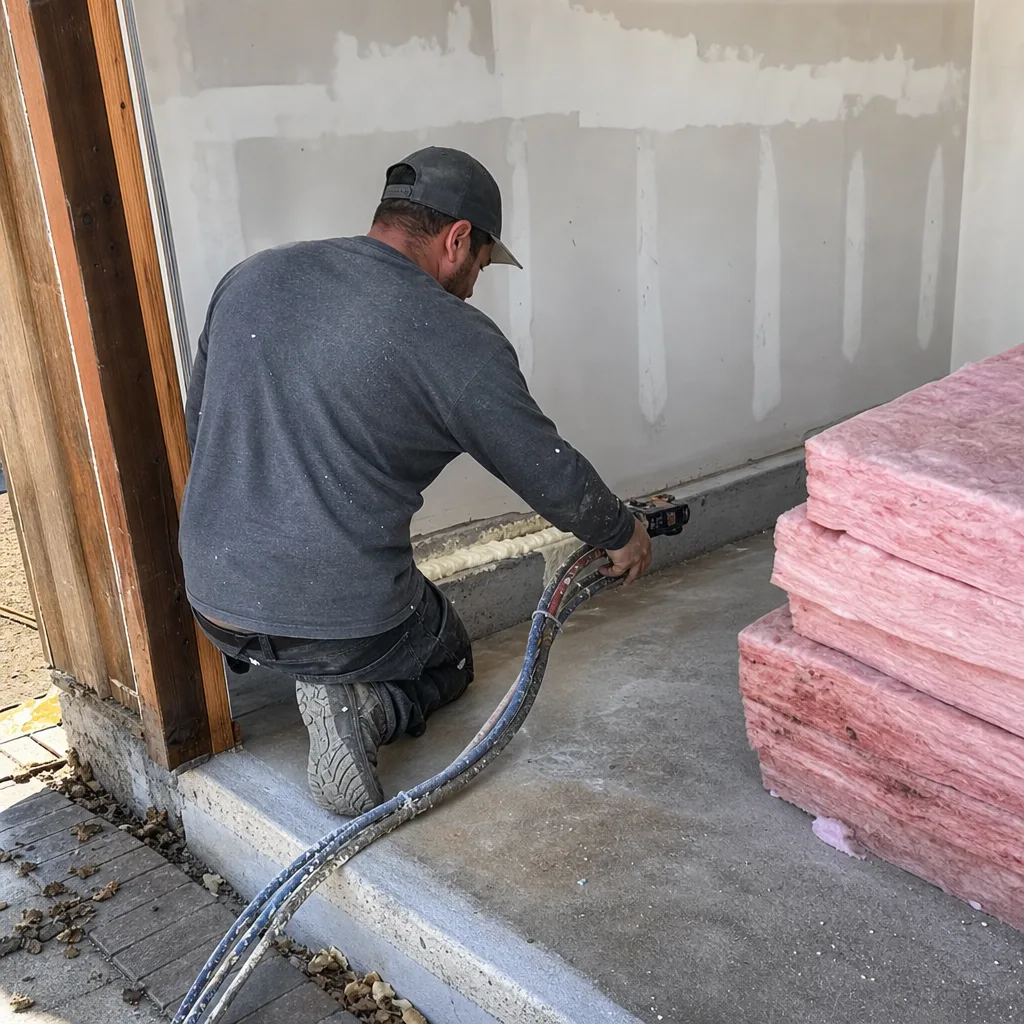
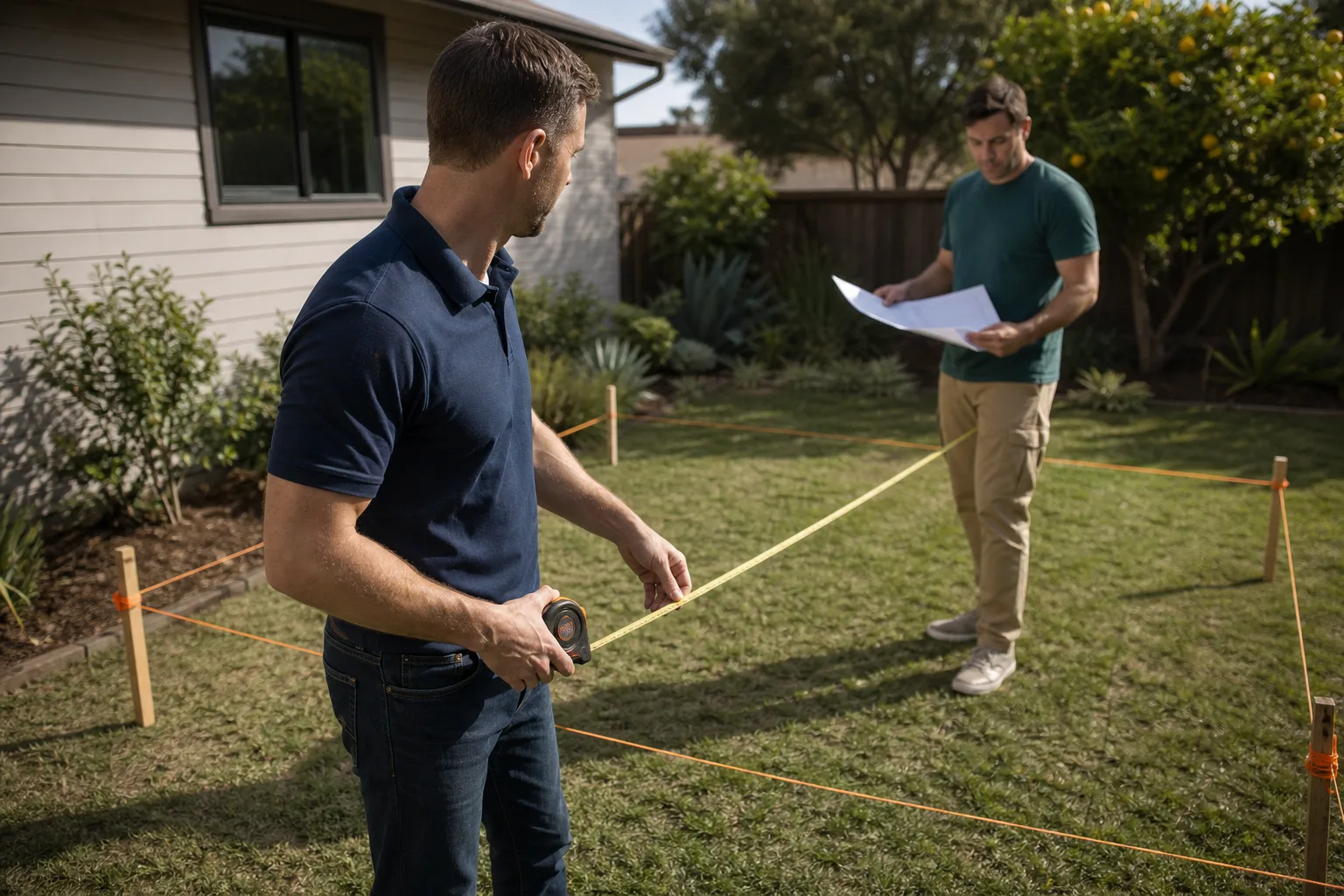
That discovery is not a failure of your Abodu product. It’s the reality of building on California lots that have been quietly shifting and settling for decades. The good news is that none of it is mysterious once someone puts eyes on it. Ben Ortega walks every Thousand Oaks site himself before a bid goes out, so the number you get is the number that holds.
Which Abodu Models This Applies To
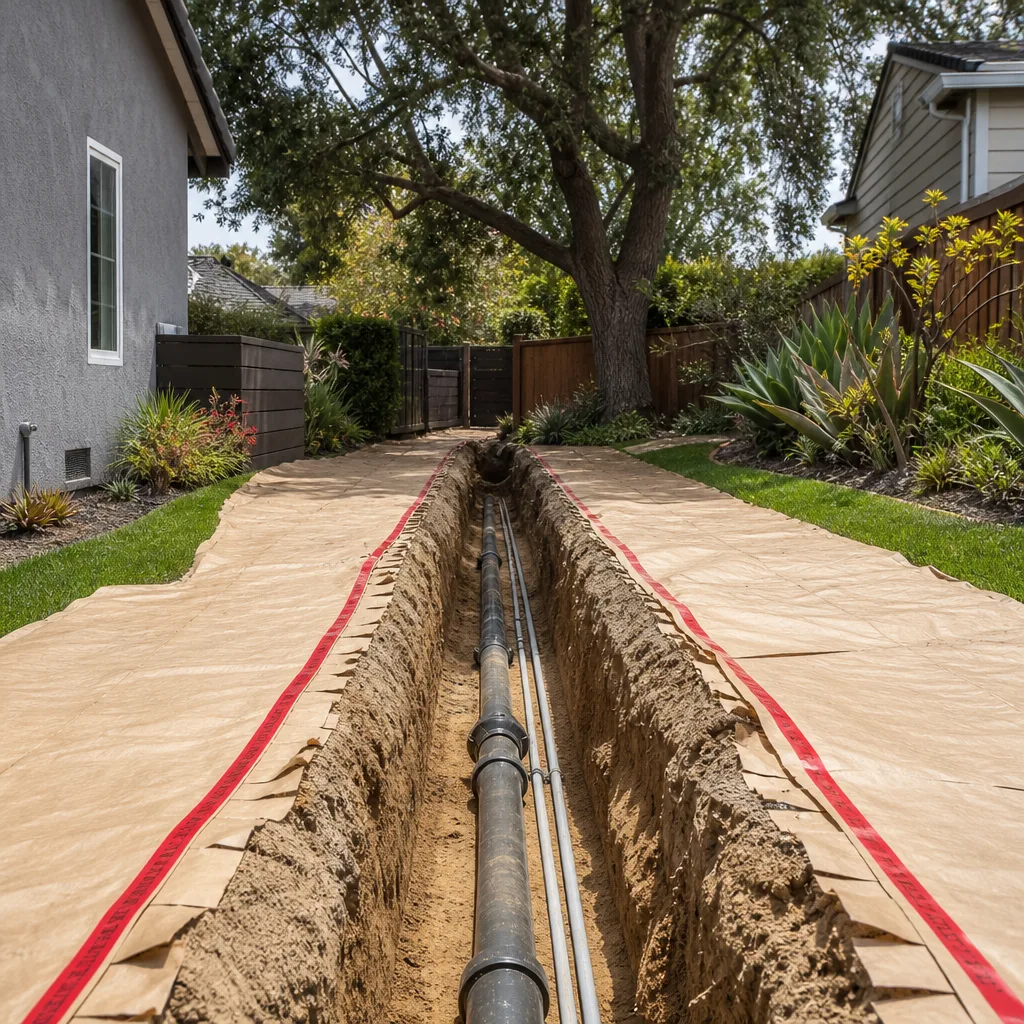
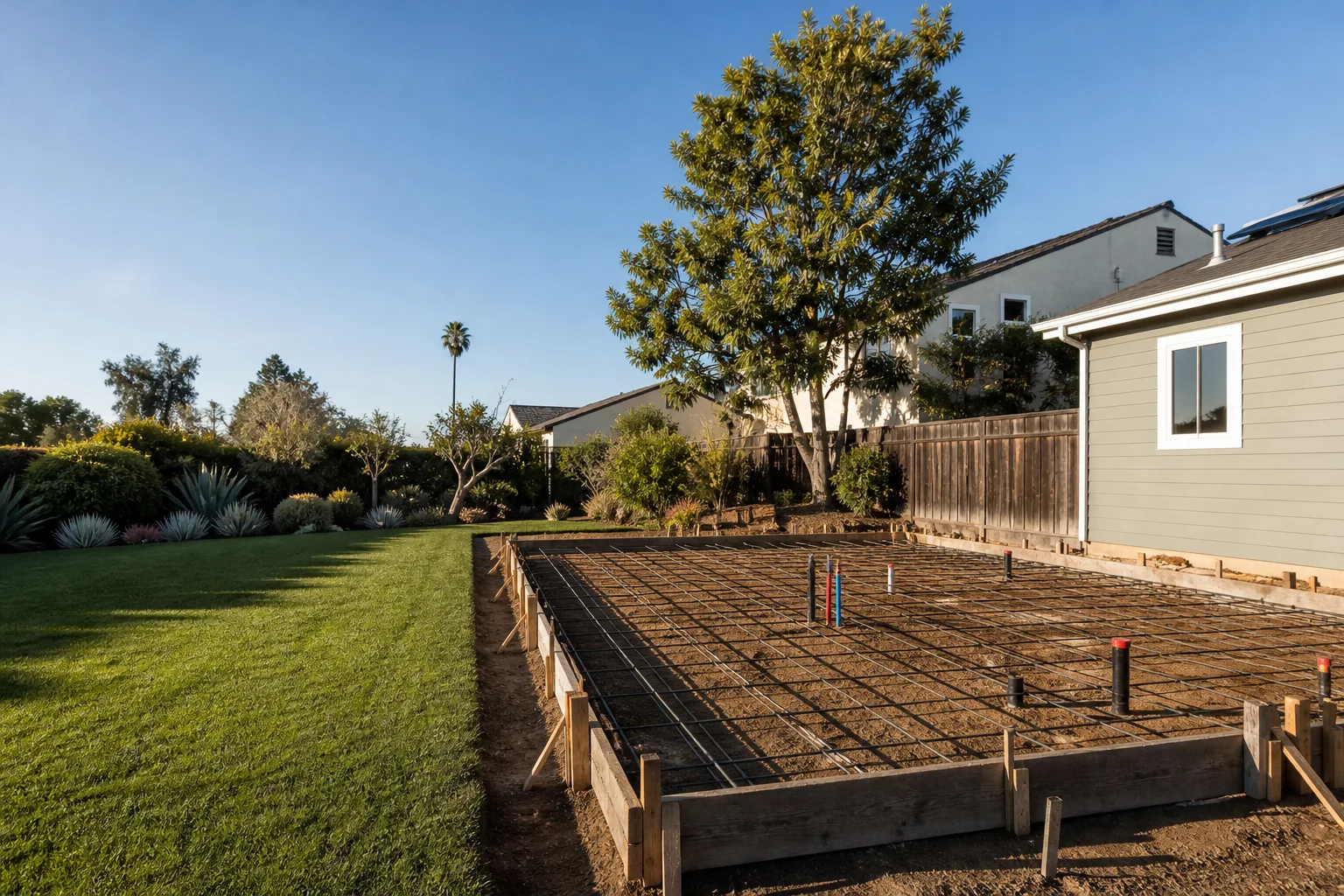
Every Abodu unit we’ve installed in Thousand Oaks, from the 340-square-foot Studio to the two-bedroom Config 2, requires the same core site prep: a level, compacted pad or stem wall foundation, trenching for water and sewer, a new or upgraded electrical service, and a gas line if the unit includes a gas range or tankless water heater. The main difference between models comes down to panel amperage. Abodu’s smaller units run fine on a 100-amp subpanel, but the larger two-bedroom configs with electric heat pump HVAC and an induction cooktop often want 125 to 150 amps of dedicated capacity.
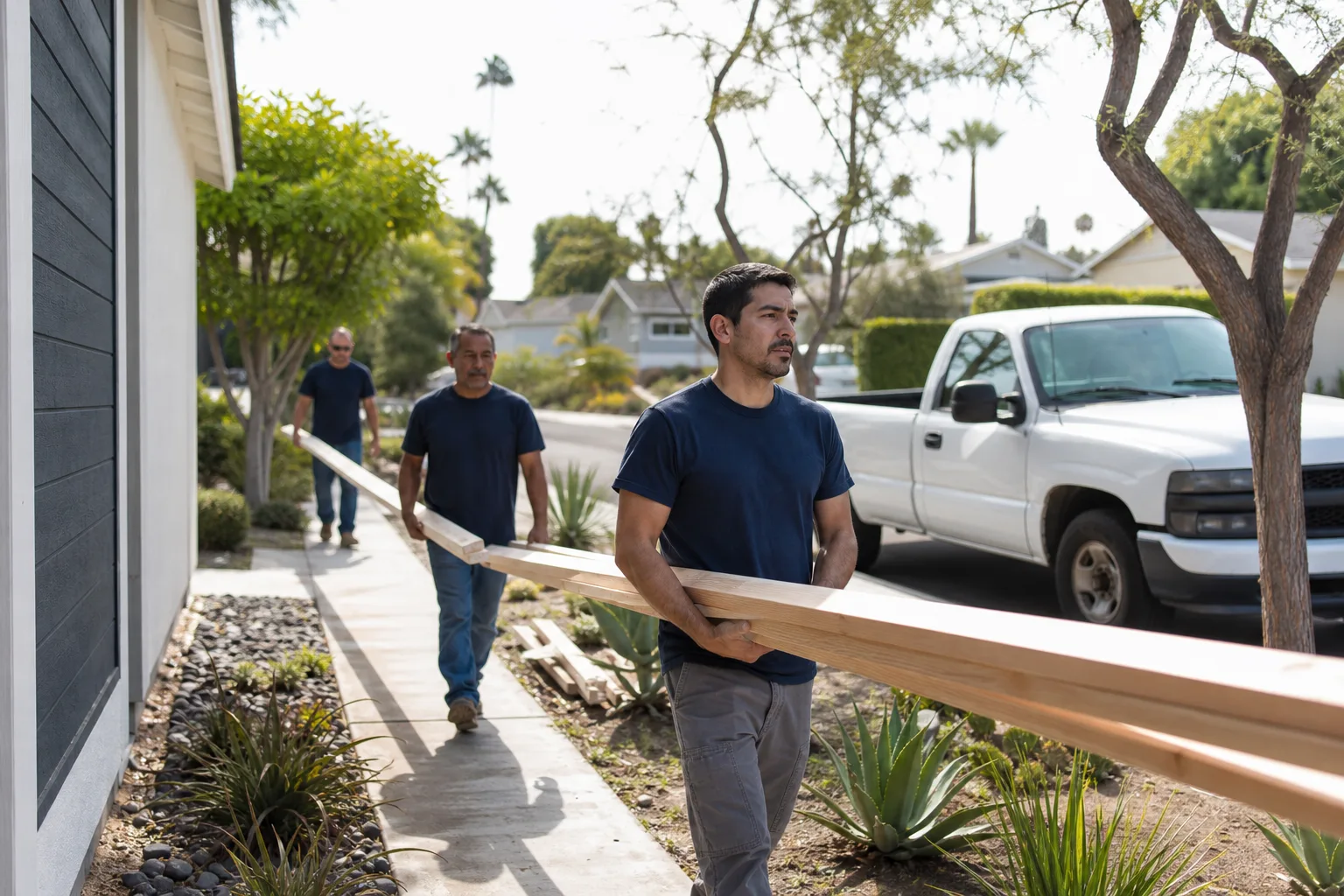
We are an independent service provider, not affiliated with Abodu, and we stock both Abodu-specified OEM utility components and quality aftermarket equivalents where they make sense. For trenching, conduit, and weatherheads, aftermarket is usually identical in spec and faster to source. For the panel and meter main, we prefer OEM Abodu-approved gear because Thousand Oaks Building & Safety reviews it against the same approved plan set Abodu submitted.
One compatibility gotcha we see regularly: Abodu’s units are delivered pre-wired for a side-mounted utility penetration, but many Thousand Oaks lots have rear-yard setbacks that force a rear connection. That means an additional weatherproof junction and a short run of conduit across the back of the unit. It’s a minor thing, but it changes the trench path and the price. If anyone bids your site prep without asking to see the Abodu delivery-side elevation, that’s a red flag.
Signs Your Abodu Site Prep & Utilities Is Failing
- Water pressure drops noticeably when a second fixture runs. This usually means the existing main line from the street is too narrow for an ADU addition, or the old galvanized supply is corroded from the inside. Thousand Oaks homes built before 1980 frequently have 3/4-inch galvanized lines that should have been replaced years ago.
- The main electrical panel is full, with no open breaker slots. That’s not a failure yet, but it becomes one the moment we need to land an ADU subpanel. We check panel bus rating, not just open slots. A 100-amp panel with open slots may still be undersized once the ADU load is calculated.
- The sewer cleanout is buried, missing, or cracked. This is the most common surprise on Thousand Oaks lots. The lateral was installed decades ago, and cleanouts get covered by landscaping or destroyed by tree roots. We cannot tie in a new ADU sewer line without a functioning cleanout.
- Standing water or a soft, spongy patch in the yard after rain. That’s often a clay-heavy soil drainage issue, and it matters because the ADU pad needs stable, compacted soil. Lang Ranch and Newbury Park lots especially have patches of expansive clay that shift with moisture. We’ll test compaction before any concrete goes down.
- The gas meter is on the opposite side of the house from the planned ADU location. Not a failure, but a cost driver. A long gas line run across the property means deeper trenching, more pipe, and more inspection time. Knowing this before you pay for a site plan is worth a lot.
Replacement Cost & What’s Included
Here’s what we quote for Abodu site prep and utility work in Thousand Oaks, line by line, before any equipment shows up:
- Site grading, excavation, and compaction: $3,500 – $7,000 depending on slope and access
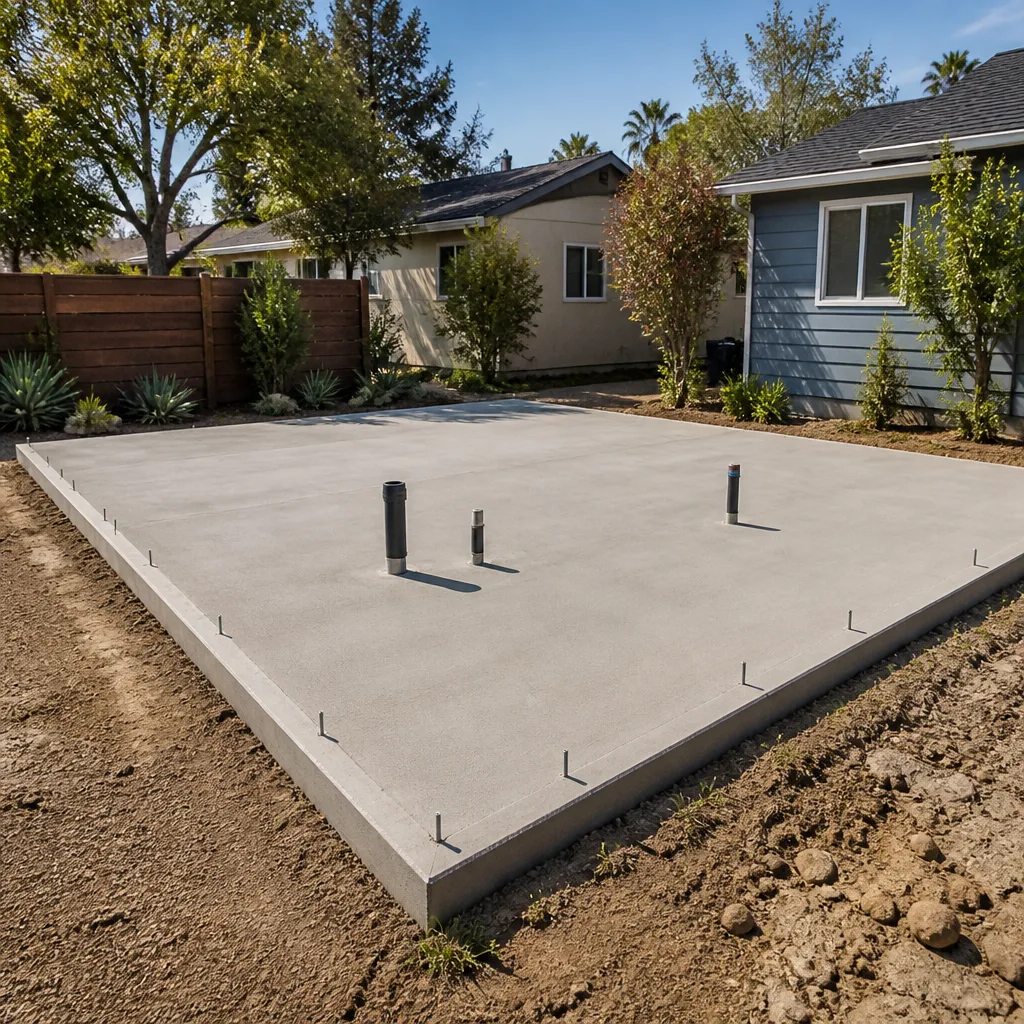
- Foundation pad or stem wall (engineered for Abodu dimensions): $6,000 – $12,000
- Utility trenching (water, sewer, gas, electrical): $2,500 – $6,500 depending on distance and soil
- Electrical service upgrade and ADU subpanel: $3,000 – $6,000 if your main panel needs an upgrade
- Sewer or septic connection: $2,000 – $5,000 for a standard city sewer tie-in
- Permits and inspections (pulled by us, passed before you pay final): included in our bid
Every line item is priced before work starts. No change orders creep in after the crew arrives. If we hit something unexpected, like an uncharted gas line or buried concrete, we stop and call you before we touch it. If the number changes after we start, I want to hear about it before you do.
All work carries our 365-Day Done Right Promise in writing. If a utility connection fails or a trench settles in the first year, we come back and make it right at no charge.
DIY or Call Us?
There’s an honest split here. You can absolutely handle the paperwork side: pulling old plot maps from Ventura County, marking where you’d like the ADU to sit, and clearing vegetation from the build area. Those are safe, useful steps that save us time and you money.
What you should not DIY is anything involving the gas line, the main electrical panel, or a sewer lateral. A live gas line in Thousand Oaks means a SoCalGas inspection and a meter lockout; one wrong move is a genuine hazard to your family and your neighbors. Electrical panel work on a live service is the same story. We use background-checked, licensed crews for these connections, and we pull permits so the inspection record is clean when you sell the home. Call (805) 309-3462 and we’ll walk the site with you before you touch anything.
FAQs
A properly compacted pad and correctly installed utilities should last the life of the ADU, which in our California climate means 50-plus years with routine maintenance. The weak points are sewer laterals (tree roots) and older galvanized supply lines, which is why we prefer PEX and HDPE pipe on every new run.
Sometimes. If an existing concrete pad is within tolerance for level and the utilities were run in conduit with spare capacity, we’ll repair and tie in rather than replace. That’s a case-by-case call after a site inspection, and we’ll always quote repair and replacement side by side so you decide with real numbers. Call (805) 309-3462 to schedule a walkthrough.
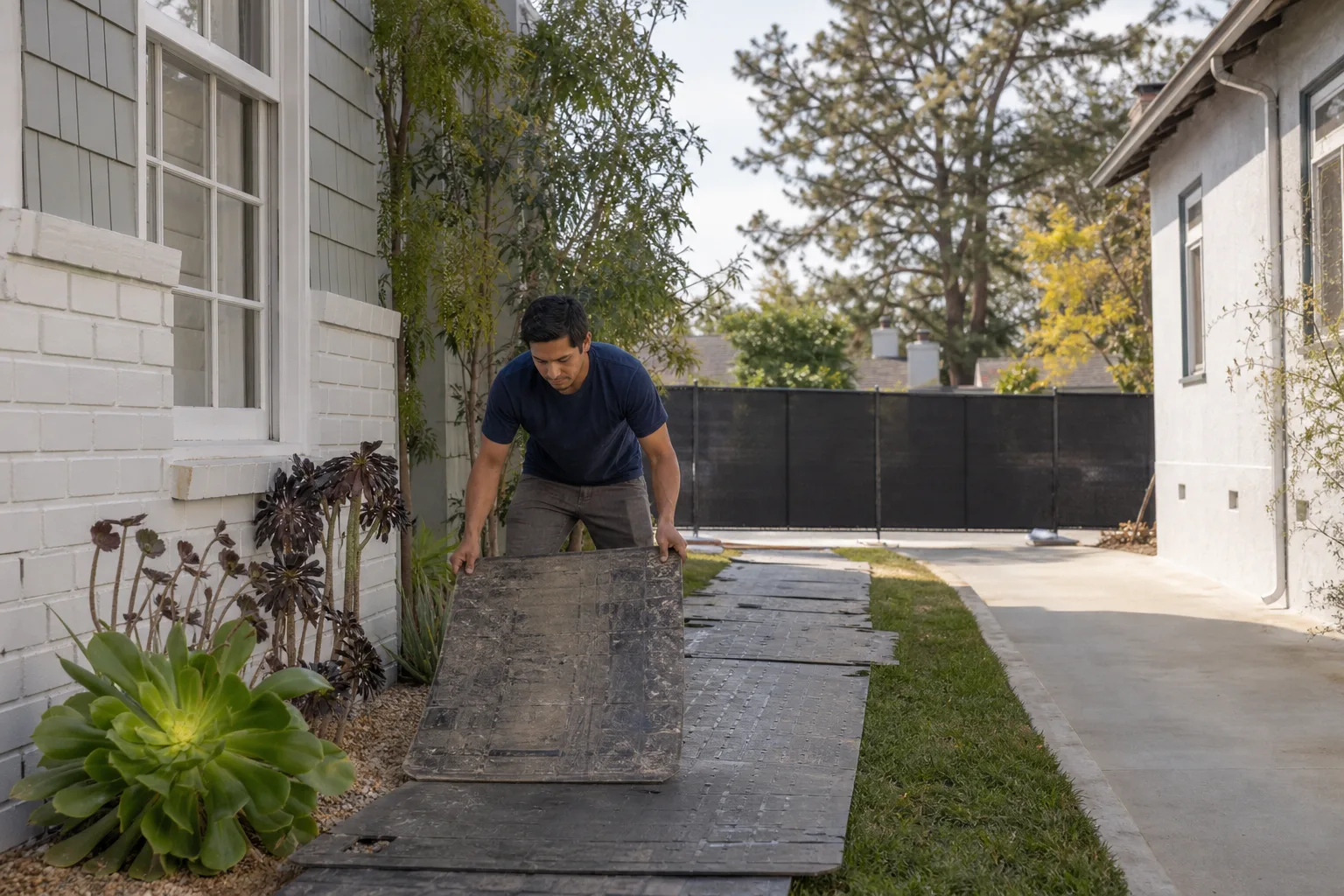
Most Thousand Oaks hookups run four to seven working days from trench open to final inspection, assuming weather cooperates and SoCalGas schedules the meter release without delay. We handle every inspection and walk the clean-up photo with you before the crew leaves.
We stock the common items on our trucks: trenching conduit, PEX and HDPE supply line, weatherheads, meter bases, and the connectors Abodu’s units ship with. Unusual panel configurations or specialty Abodu-approved components may take three to five days from our Thousand Oaks supplier. We’ll tell you at bid time which is which.
If you’re planning an Abodu install in Thousand Oaks and want a written price for site prep and utilities before you commit, call (805) 309-3462. Ben or one of our project leads will walk the lot, mark the trench paths, and leave you with a number you can plan around.
Written by Ben Ortega, Owner, Seedling ADU Thousand Oaks at Seedling ADU Thousand Oaks, serving Thousand Oaks and nearby areas.